Table of ContentsWhat Does What A Bond In Finance Do?The What Is Bond In Finance With Example StatementsExcitement About What A Bond In FinanceThe 25-Second Trick For What Is A Bond In Finance
Services aren't the only entities that can release bonds. Federal governments and municipalities offer them as well. Let's take a look at how these kinds of bonds vary. Ad Government Bonds: To fund programs, satisfy their payrolls and basically pay their costs, governments problem bonds. Bonds from steady federal governments, such as the United States, are considered exceptionally safe financial investments.
The U.S. government provides its own bonds from the treasury and from a number of government firms. Those maturing in less than one year are called T-bills. Bonds that mature in one to ten years are T-notes, and those that take more than ten years to develop are treasury bonds. Sometimes, you do not have to pay state or regional income taxes on the interest they earn.
Munis finance things like hospitals, schools, power plants, streets, office complex, airports, bridges and so on. Towns generally issue bonds when they require more money than they gather through taxes. The good idea about municipal bonds is that you don't have to pay federal income taxes on the interest they make.
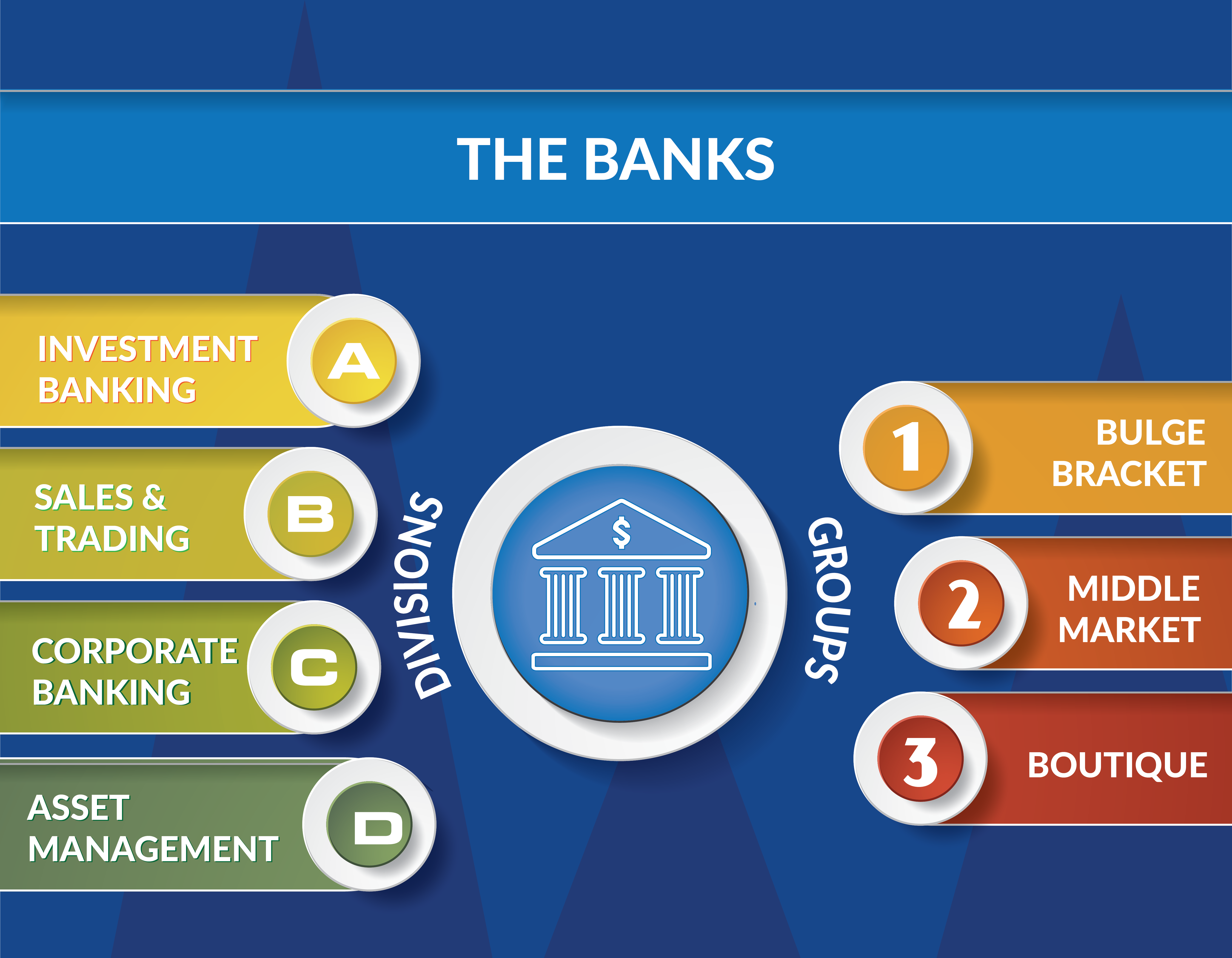
While corporate bonds are a higher danger than government bonds, they can earn a lot more cash. There's likewise a much larger choice of corporate bonds. The disadvantage is that you do have to pay federal earnings tax on the interest they make. Particularly when buying business bonds, it is necessary to think about how dangerous the bond is.
You can investigate the issuer's monetary situation to see how strong its potential customers are. This includes examining things like cash flow, debt, liquidity and the company's organisation strategy. As enjoyable as it sounds to research these things, the majority of us don't have the time or abilities to examine a corporation's monetary scenario properly.
Their experts look into a business's situation and identify a bond score for the company. Every rating service has its own formula for determining threat and its own type of score scale. Normally, rating scales are spelled out in letter grades, where an AAA ranking designates a safe, low-risk bond, and a D rating designates a high-risk bond.
federal government bonds, are normally low-yield bonds. You can depend upon getting a payment however that payout will be little. what does everything in the price of a bond formula stand for in finance. On the other side of the spectrum, you have what's not-so-affectionately referred to as, which are low-rated, high-risk bonds. In order to lure financiers into buying these dangerous junk bonds, the issuing companies assure high yields.
The Only Guide for What Is A Bond Personal Finance
However if you do, you might get paid in spades. Still not sure about some of the terms associated with bond financial investment? Take a look at the glossary on the next page.
Bonds are loans made to large companies. These include corporations, cities, and nationwide governments. A specific bond is a piece of an enormous loan. That's because the size of these entities requires them to borrow cash from more than one source. Bonds are a type of fixed-income investment. The other types of financial investments are money, stocks, products, and derivatives.
They vary according to who issues them, length up until maturity, rate of interest, and risk. The most safe are short-term U.S. what is the term of a bond in finance. Treasury costs, but they also pay the least interest. Longer-term treasurys, like the benchmark 10-year note, provide slightly less threat and partially greater yields. SUGGESTIONS are Treasury bonds that protect against inflation.
They return a little bit more than Treasuries but are a bit riskier. Corporate bonds are released by business. They have more danger than government bonds due to the fact that corporations can't raise taxes to spend for the bonds. The danger and return depend upon how credit-worthy the business is. The greatest paying and greatest risk ones are called junk bonds.
Up until then, the customer makes agreed-upon interest payments to the bondholder. People who own bonds are likewise called financial institutions or debtholders. In the old days, when individuals kept paper bonds, they would redeem the interest payments by clipping vouchers. Today, this is all done digitally. Naturally, the debtor pays back the principal, called the face value, when the bond matures.
They can only do this since there is a secondary market for bonds. Bonds are either openly traded on exchanges or sold independently in between a broker and the financial institution. Since they can be resold, the worth of a bond fluctuates till it grows. Imagine The Coca-Cola Company wanted to obtain $10 billion from investors to obtain a large tea company in Asia.
It issues each bond at a par value of $1,000 and promises to pay pro-rata interest semi-annually. Through an investment bank, it approaches investors who purchase the bonds. In this case, Coke needs to sell 10 million bonds at $1,000 each to raise its wanted $10 billion before paying the charges it would sustain. Each $1,000 bond is going to get $25.00 per year in interest.
Get This Report about Why Invest In A Bond Yahoo Finance
If all works out, at the end of 10 years, the initial $1,000 will be returned on the maturity date and the bond will disappear. Bonds settle in 2 ways. First, you receive earnings through the interest payments. Of course, if you hold the bond to maturity, you will get all your principal back.
You can't lose your financial investment unless the entity defaults. Second, you can benefit if you resell the bond at a higher cost than you purchased it. In some cases bond traders will bid up the rate of the bond beyond its face value. That would take place if the net present value of its interest payments and principal were higher than alternative bond financial investments.
Lots of individual investors choose to let a knowledgeable fund manager choose the very best selection of bonds. A mutual fund can likewise minimize threat through diversity. In this manner, if one entity defaults on its bonds, then just a small part of the investment is lost. Some bonds, referred to as zero-coupon bonds, do not distribute interest earnings in the form of checks or direct deposit however, instead, are provided at a particularly determined discount.
Over the long haul, bonds pay a lower return on your investment than stocks. Because case, you might not earn enough to exceed inflation. Investing just in bonds might not enable you to save enough for retirement. Business can default on bonds. That's why you require to inspect the shareholder's S&P ratings.
They could quickly default. They need to use a much higher rates of interest to attract purchasers. Although typically thought about "safe," bonds do have some danger. Credit danger describes the probability of not receiving your assured principal or interest at the contractually guaranteed time due to the issuer's failure or unwillingness to distribute it to you.
The absolute highest investment-grade bond is a Triple-A rated bond. There is always an opportunity that the federal government will enact policies, intentionally or inadvertently, that cause prevalent inflation. Unless you own a variable rate bond or the bond itself has some sort of built-in protection, a high rate of inflation can damage your buying power.
When you invest in a bond, you know that it's most likely going to be sending you interest earnings regularly. There is a threat in this, however, because you can not anticipate ahead of time the exact rate at which you will be able to reinvest the cash. If rates of interest have actually dropped significantly, you'll need to put your fresh interest earnings to operate in bonds yielding lower returns than you had been delighting in.
The Ultimate Guide To Which Of These Is An Element Of A Bond Personal Finance
This means that when you acquire them, you might have a challenging time selling bonds at top dollar. This is one of the reasons it is often best to limit the purchase of specific bonds for your portfolio to bonds you intend to hold up until maturity. For lots of people, valuing bonds can be confusing.
To put it simply, the more need there is for bonds, the lower the yield. That appears counter-intuitive. The reason depends on the secondary market. As individuals need bonds, they pay a higher cost for them. But the interest payment to the bondholder is fixed; it was set when the bond was initially sold.
Put another method, the price they paid for the bond yields a lower return. Financiers normally demand bonds when the stock market becomes riskier. They want to pay more to avoid the greater danger of a plummeting stock exchange. Since bonds return a set interest payment, they look appealing when the economy and stock exchange decline.